The Comforting Power of Traditions in Our Lives
- Cynthia Terwilliger Lake

- Oct 11, 2025
- 4 min read
Traditions are the threads that weave the fabric of our lives, providing a sense of belonging and continuity. They are the rituals and customs passed down through generations, offering comfort and stability in an ever-changing world. Whether it's a family gathering during the holidays, a yearly festival in your community, or simply a Sunday dinner, traditions have a unique way of grounding us. They remind us of our roots and the shared moments that define who we are. In this blog post, we will explore the comforting power of traditions and how they enrich our lives.
The Role of Traditions in Our Lives
Traditions serve as a bridge between the past and the present. They connect us to our ancestors and allow us to honor their memories and values. For instance, a family may gather every year for a Thanksgiving dinner, sharing stories that link them to their heritage. This connection to our history provides comfort, especially during uncertain times. According to a study by the Pew Research Center, 66% of adults say that family traditions significantly influence their sense of connection.
Additionally, traditions foster a sense of community. They bring people together to celebrate shared customs, strengthening relationships. In today’s fast-paced world, where isolation can be common, actively participating in traditions creates a supportive network. A local festival that celebrates a town’s history can unite residents, providing a space where friendships are formed and memories shared.
The Emotional Benefits of Traditions
Engaging in traditions can have profound emotional benefits. They provide predictability and stability, which is especially comforting during tough times. Knowing that key events will happen each year—like a family reunion or holiday celebration—creates a sense of security. These traditions allow us to look forward to joyful moments.
For example, many families bake cookies together every December. The aroma of freshly baked cookies can evoke powerful memories of childhood and warmth, reminding us of family love. A study from the University of Pennsylvania suggests that nostalgic traditions can significantly improve mood, showing their potential to enhance our emotional well-being.
Traditions as a Source of Identity
Traditions play a crucial role in shaping our identities. They help us define who we are and where we come from. Cultural traditions, for example, can instill pride in our heritage. When families participate in cultural rituals, like a Diwali celebration or a Lunar New Year feast, they celebrate their uniqueness and share it with others. The appreciation of diverse customs enriches communities, promoting understanding and respect among different groups.
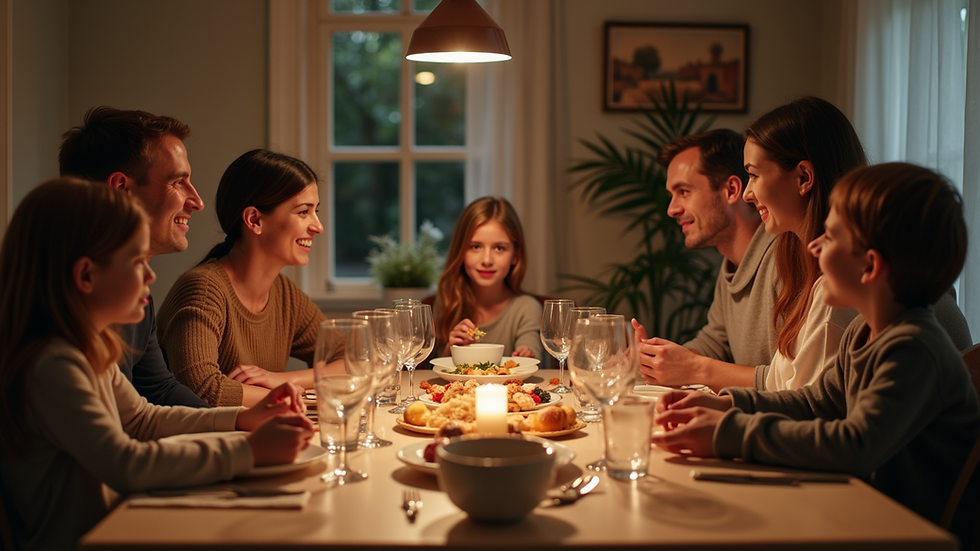
Family traditions also contribute to our individual sense of self. Consider a family that gathers every Sunday for dinner. This routine not only reinforces their connection but also becomes a core part of their identity. The ritual creates shared experiences that shape how they view themselves and their relationships. According to a survey by Lifeway Research, families who maintain traditions report a noticeable increase in their sense of belonging and connection.
The Evolution of Traditions
While traditions are often rooted in the past, they are not static. They evolve over time to adapt to the needs and values of society. This evolution can be comforting, as it allows traditions to remain relevant. For example, a family may adjust their holiday celebration to include new family members or integrate modern elements that reflect their present lifestyle.
In 2022, 45% of families reported modifying existing traditions to better fit their lives, indicating that adaptability is key to keeping traditions alive. By blending the old with the new, we can honor the past while embracing the present. This innovation ensures that traditions continue to resonate with new generations, providing comfort and connection for years to come.
Creating New Traditions
While many of us cherish inherited traditions, creating new ones can bring great joy. New traditions often emerge from shared experiences, such as memorable trips or life events. A family might establish a tradition of volunteering together during the holidays, emphasizing the importance of giving back to the community. This not only strengthens family bonds but also fosters a sense of purpose.
According to a survey by Volunteer Match, families that engage in volunteer work together report higher levels of satisfaction and cohesion. New traditions reflect our current values, creating a guiding framework for our everyday lives.
The Comfort of Rituals
Rituals, a key component of traditions, can provide significant comfort. They offer structured ways to navigate life’s transitions and challenges. For example, lighting a candle in memory of a loved one can help in processing grief. Celebrating milestones—like birthdays or anniversaries—with specific rituals elevates feelings of joy and accomplishment.
These rituals create a safe space for emotional expression and connection. They remind us that we are not alone, fostering community and support. According to research, individuals who engage in regular rituals report higher levels of happiness and resilience.
The Value of Traditions
In a world that often feels chaotic, traditions serve as comforting anchors. They connect us to our past, strengthen relationships, and provide identity. Whether through family gatherings, cultural celebrations, or personal rituals, traditions enrich our lives in countless ways.
As we navigate the complexities of modern life, let us cherish existing traditions and create new ones that reflect our evolving selves. By embracing the power of traditions, we cultivate a sense of belonging and joy that sustains us through life's ups and downs. So, gather your loved ones, celebrate your heritage, and find solace in the comforting power of traditions.


Comments